Abstract
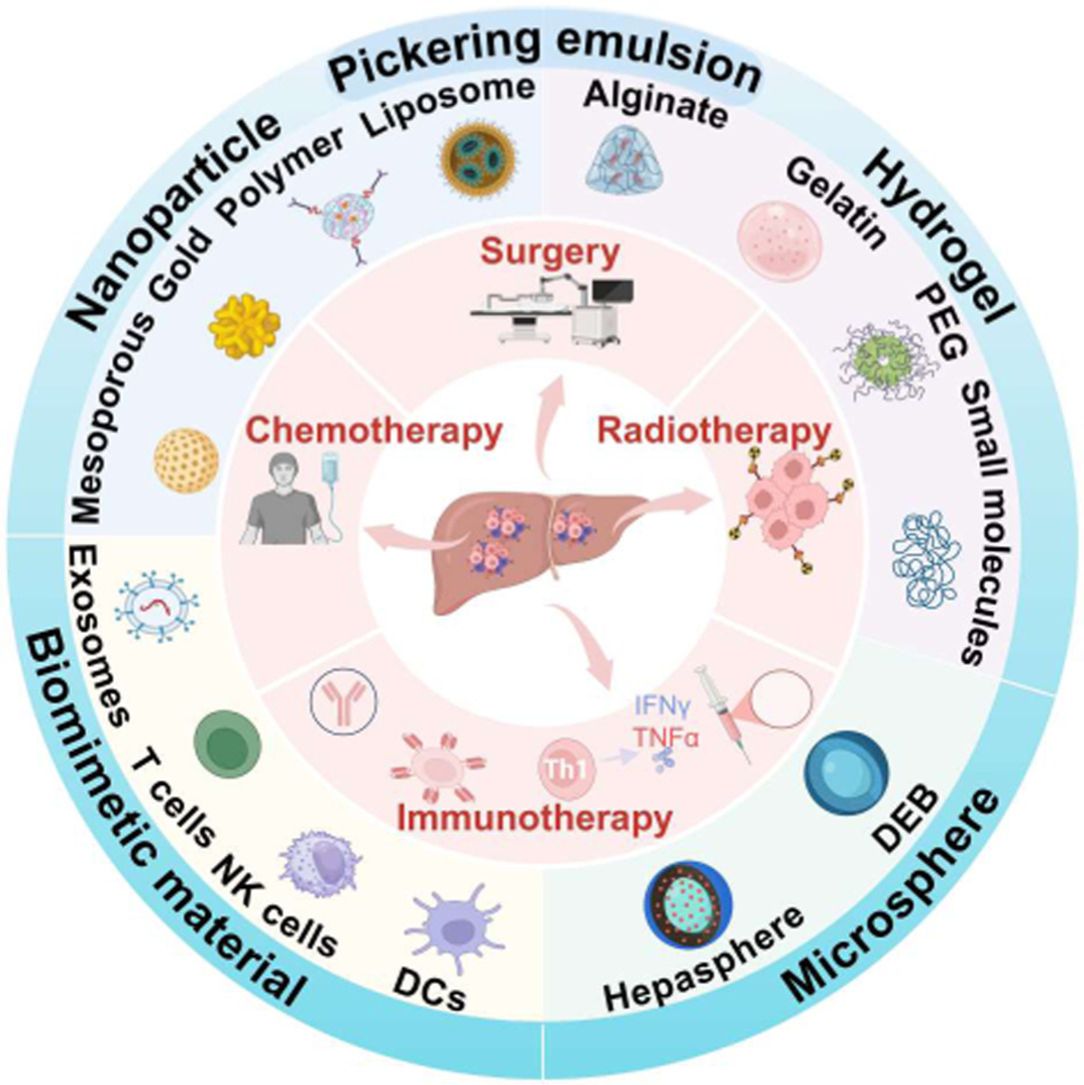
Hepatocellular carcinoma (HCC) is the most common type of primary liver cancer and is among the leading causes of cancer-related mortality. Immunotherapy strategies targeting HCC are widely used in clinical practice. However, the pronounced immunosuppressive characteristics of the tumor microenvironment in HCC significantly hinder the efficacy of immunotherapy, often leading to suboptimal therapeutic outcomes. Innovative immunomodulatory delivery systems offer a promising path for HCC therapy by enabling precise targeting of tumor sites and significantly reducing the chances of systemic toxicity and side effects. This study describes the immune microenvironment of HCC and the mechanisms leading to immune evasion. This study then explores the issues and restrictions of current mainstream immunotherapies, highlighting the breakthroughs achieved through drug delivery systems crafted with innovative micro-nanomaterials for HCC immunotherapy. Besides, the application scenarios and challenges encountered by micro-nanomaterials in clinical translational applications were also discussed, and future development trends in this field were prospected, offering a theoretical foundation for the design of efficient HCC treatment strategies.
文章链接:https://doi.org/10.1016/j.cclet.2025.11139